By: Theresa Schuetz
The cubs are back in the den, as the preschool program has resumed for the second semester of the year.
Throughout the year students work hard at both preparing and learning about what it means to be a teacher and work with smaller kids.
“Having the kids back definitely adds a lot of color and fun to the classroom,” Child Development teacher Dr. Smietana- Lysell said. “It’s a lot of prep before the kids come; we have around a month for the high schoolers to get ready.”
There are three different levels that can be considered in this class; level one, level two and level three. Each level can be mixed up between the class periods and each have their own set of expectations and jobs.
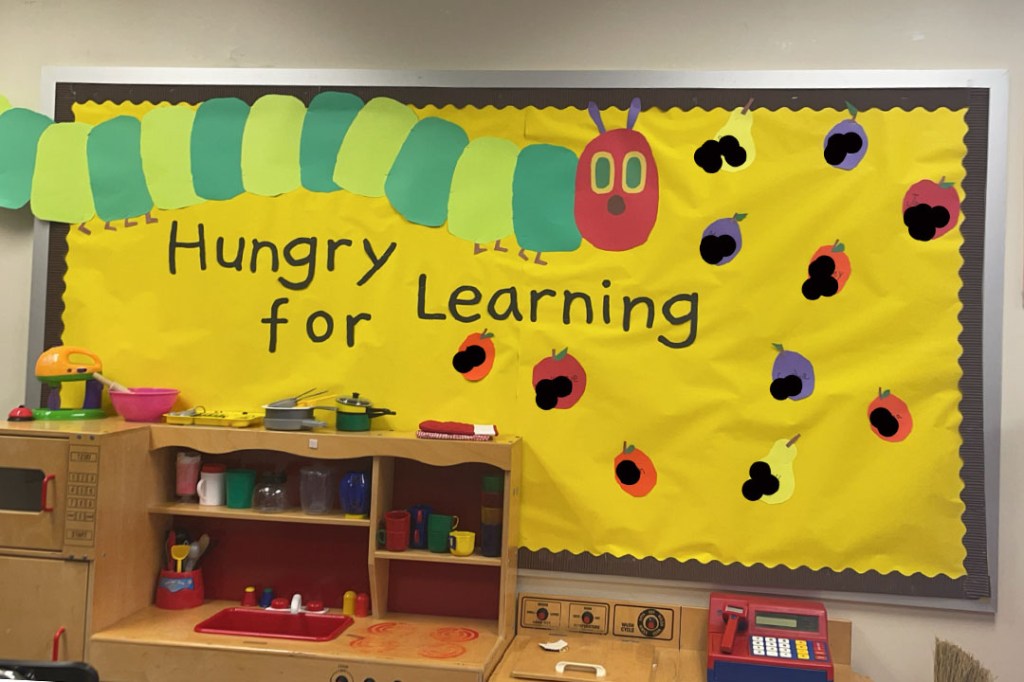
Photo By: Emma Helmick
The level one students have a young student assigned to them that they are in charge of. Some students share a kid with someone else.
“I would recommend this class to other students,” sophomore Anna Sybesma said. “Level ones teach two lessons and are an overall helper for the kids they’re assigned.”
The majority of level two students don’t have a kid; however, if there is a lack of level one students, they will have a kid assigned to them. They mostly oversee the daily tasks that occur.
“I’m excited about the kids coming back; as a level two I get to build a relationship with not only one preschooler but all of them,” junior Lily Ewing said.
Typically, level three students do the majority of the class teaching and circle time. Sometimes students in the lower levels teach, but they are then graded by level three students based on the content contained in lectures and performance on teaching.
“I recommend using level threes for any questions, but most of all be confident in whatever you do,” senior Regan Kerr said.
Having pre-school in a high school is not only beneficial to the kids with learning, but also beneficial if a student wants to go into teaching in the future. Child development is just an elective; however, it will soon be able to allow students to get a child development associate certificate.
“If you complete all three modules of child development in our building, you can take a test and get your certification,” Dr. Smietana- Lysell said.
Having this certification allows students to begin working with early childhood development right after high school in places like KinderCare, HeadStart and other daycares or pre-schools.
“It won’t get you a bachelor’s degree, but it gets you into where you could start working right out of high school,” Smietana- Lysell said.
 The Lions' Den