The Clash | “London Calling”
By Kerrick Shaw
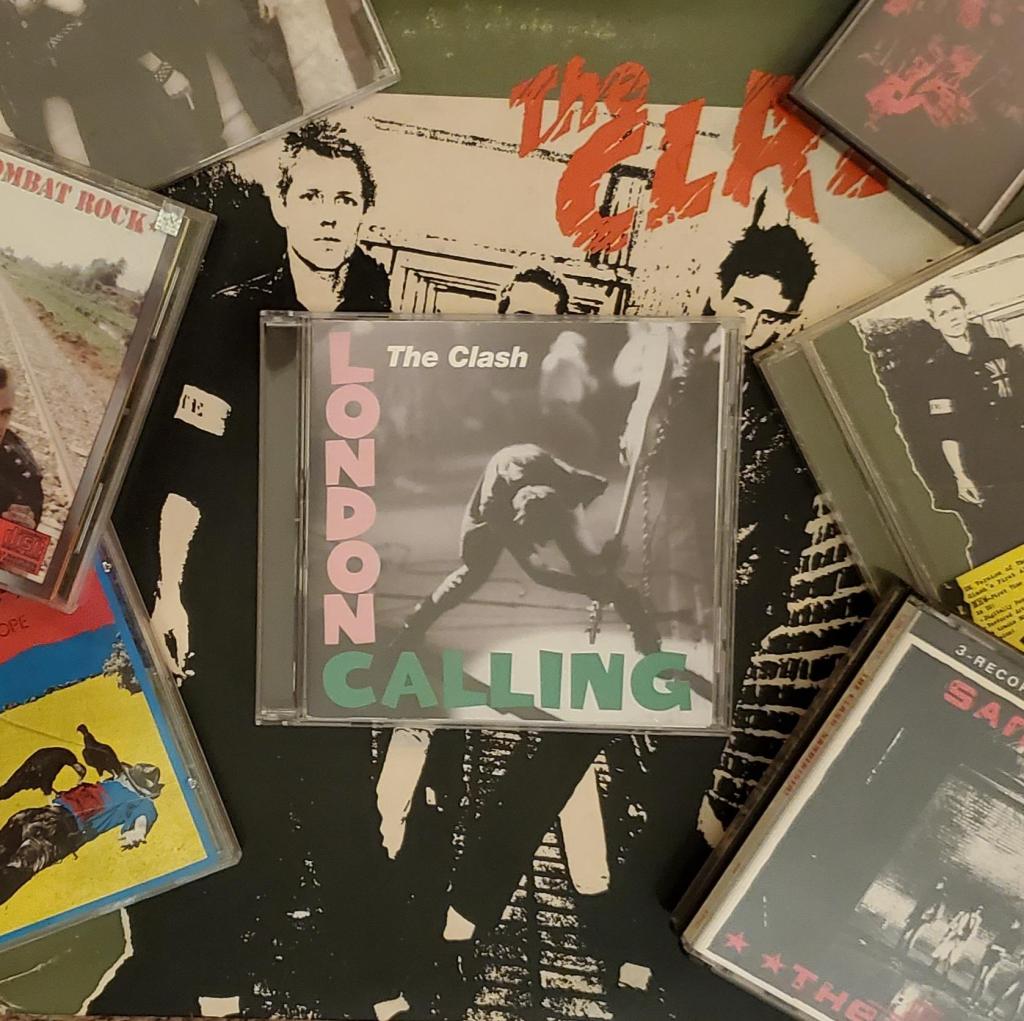
Photo by: Kerrick Shaw
The Clash, nicknamed “The Only Band That Matters,” formed in 1976 and quickly rose to the top of the 70s punk movement, second only to the Sex Pistols. Swimming in the musical movement of 1974, The Clash was surrounded by bands like Television, The Ramones and The Damned, all jumping from garages to the stages.
Formed by guitarist Mick Jones, the band, then named Weak Heartdrops and Psychotic Negatives, was made up of Paul Simonon (bass guitarist) and Terry Chimes (drummer). In search of their missing piece, the energetic and rough lead singer they needed, Joe Strummer left the 101’ers and completed the puzzle of The Clash.
They were considered the most political band stemming out of the U.K., however they thought of themselves more as social, having focused their music on the hardships they saw in people’s everyday lives – serving as a look into the world of the less fortunate.
Their explosive debut single “White Riot” and first studio album “The Clash,” both released in 1977, were kept on the shelf in America until their eventual, and late, releases in 1978.
In 1977, Chimes had left the band due to their chaotic nature and he was then replaced by Nicky “Topper” Headen, who went on to play with the band until 1982.
With their self-titled release considered too raw and disorderly for American audiences, their second album, “Give ‘Em Enough Rope” (1978), was overseen by an American producer in an attempt to make it more appealing for that potential audience.
Regardless of their efforts, The Clash didn’t make their big breakthrough in America until the release of their third studio album, “London Calling,” which was released in 1979 in the U.K. and 1980 in the U.S.
The album dips into multiple genres, stacking songs of blues and jazz on top of ska and dreary punk. Although the combinations may sound overbearing, they managed to make each song go together perfectly. To work around their controversially literal lyrics, “London Calling” displayed their growth in writing through hiding clever metaphors in the stories of each song.
After reaching their definitive peak with “London Calling,” The Clash tried replicating the same feel with the following album, “Sandinista!” which came out in 1980. Unfortunately, it failed to spawn the same reaction. Their next release, “Combat Rock,” released in 1982, the last album featuring Jones as the lead guitarist, thankfully included “Rock the Casbah,” one of the band’s most popular songs today.
However, they only put out one more, poorly received, album before disbanding in 1986.
Although The Clash had a rough ending to their story, “London Calling” stands today as one of the most recognizable and popular punk albums, especially with its iconic cover: a photo of Simonon smashing his bass guitar.
To throw a little spice into the album, some songs feature organ and piano (“The Card Cheat,” “Wrong ‘Em Boyo” and “Clampdown”), as well as horns poking through, especially noticeable on “Rudie Can’t Fail.”
“London Calling” is essentially a greatest hits, only missing a few songs from their debut and future albums, such as “Should I Stay or Should I Go” from “Combat Rock.”
Regardless of the many different attributes I’ve explained for individual songs, a full listen through is the only way of understanding the level this album is on. As per usual with the albums I review, this one is another go-to pick when I need an album to play at room-filling volume. In my opinion, although The Clash aren’t at the top of my list for the best punk bands, “London Calling” is one of my favorite punk albums of all time.
 The Lions' Den