Trump’s Tariffs: Effects on the US Economy

By: Ever Schmidt

President Donald Trump stopped tariffs for 90 days on goods that are transported to the United States from other countries.  

“It’s affecting the world already, prices are starting to go up, the stock market is also taking a big hit,” accounting teacher Mr. Lou Downey said. “It’s going to be a tough adjustment for everybody, not just the United States.”  


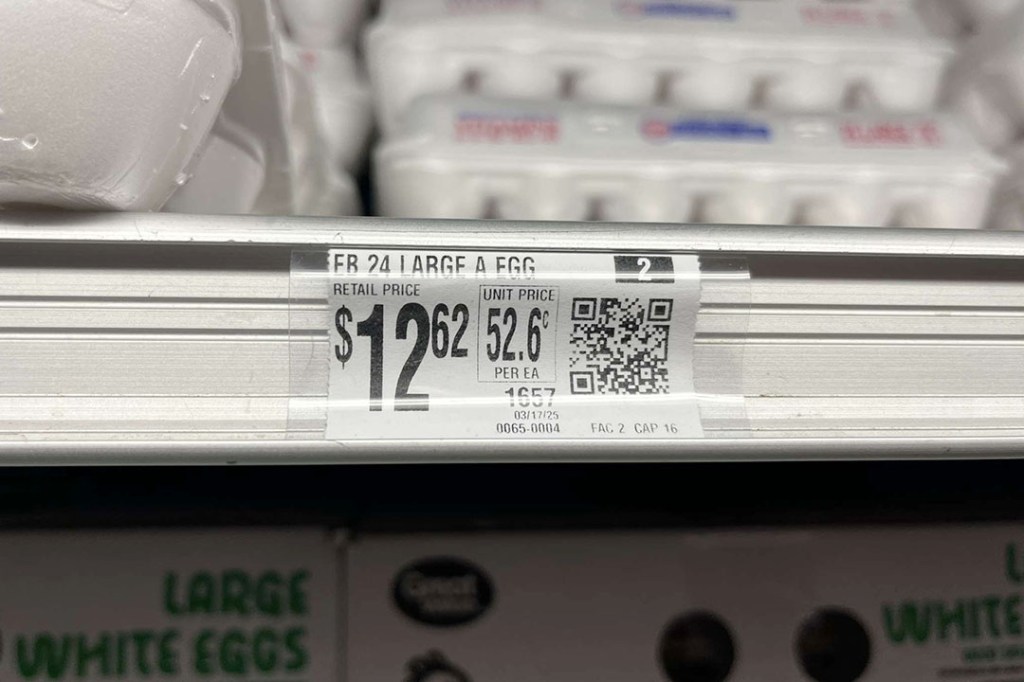
The current price of two dozen eggs at WalMart.

Photo by: Ever Schmidt


President Trump uses the tariffs to bring people who live in the U.S. to buy products made here. He made transported items more expensive, encouraging consumers to buy U.S. made products because they are made in America. They seem cheaper because the transported products have increased in price.  

“I see why the president is doing this,” Mr. Downey said.  “They have tariffs on our stuff, and we were tariffing them.”  

According to CNN, Trump signaled a potential U-turn on the trade war with China.  Chinese prices of items will come down, but the tariffs won’t be zero. China eventually refused to lower the prices on tariffs and have a 125% increase on US goods. 

“Honestly I didn’t know much about tariffs, but I have noticed gas prices decreasing then rising again,” sophomore Bryland Haile said. “Whatever Trump decides to do everyone will have to deal with it, so I’m not letting it consume my life.” 

According to Fox Business, the price of crude oil prices could be increased 10-20 cents when tariffs are back in effect for gasoline. 

Not only have gas prices taken a toll, but students who buy from online stores such as Shein, Temu and Ali Express have also noticed a change in buying their items.  

“Recently I have noticed how expensive shipping is,” junior Nova Miller said. “While shipping used to be only a few dollars, now it has become almost twice that. Honestly with the tariffs people are going to start buying U.S. made products, but many online stores are going to lose customers because no one wants to pay $10-$15 for shipping.”   

Concerns Surrounding the Department of Education 

By: Kerrick Shaw

A controversial push to eliminate the U.S. Department of Education is gaining momentum in Congress, raising concerns about the future of federal oversight in schools.  

If the Department of Education (DOE) is dissolved, school districts could face significant disruptions in funding and resources. Programs that rely on federal support, such as Title I for low-income schools or special education services under the Individuals with Disabilities Education Act, could stall or disappear, forcing districts to find alternatives. 

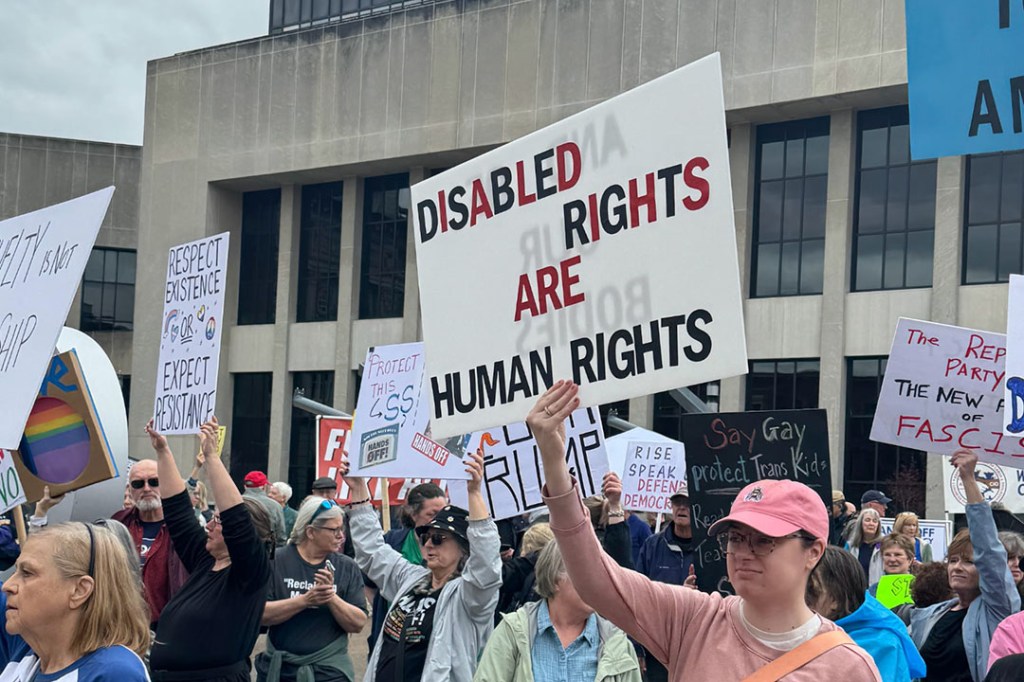
On March 20, President Donald Trump signed an executive order to begin shutting down several functions of the DOE. 


Greensburg locals participating in the Hands Off protest on April 5.

Photo Courtesy: Barb Ciampini


“It feels very rushed, without deeper thought into the implications of dismantling or reducing,” GS Superintendent Dr. Ken Bissell said. “Our district relies on federal funding for our Title I, II, III and IV grants, which help us with things such as special education needs and equity issues for students from marginalized populations. If there were no federal funds, that’s a lot of teaching positions that go away.” 

The federal government’s role in schooling is to “uphold civil rights” for children, Dr. Bissell explained. He stated that he believes the shut-down will not happen, but acknowledged the hypothetical question of how those funds would be made up.  

“Teachers are the direct support for students; education is a human-to-human endeavor of building relationships and trust, to then learn from each other,” Bissell said. “If we lose funding, it will definitely result in us not having enough funds to support the teachers and staff.”  

 According to the district’s Director of Curriculum and Federal Programs, Dr. Lenni Nedley, school districts handle variations in their funding yearly, stating that schools will adapt as necessary if federal funding is dissolved.  

“Each school year, districts are faced with federal and state funding fluctuations; they’ll make adjustments to their general budgets as needed in different areas,” Dr. Nedley said. “The district always places children at the forefront of their decision-making to ensure they’re receiving what they need to be successful.” 

The federal grants support four reading specialists, three school counselors, one science teacher and two classroom assistants, as stated by Nedley.  

“If funds are reduced, we’d be put in a situation where we’ll have to make very difficult decisions,” Bissell said. “Staffing is the number one indicator of student success; good teachers make successful students. If we’re forced to reduce the number of staff we have, that’s going to directly impact the kids.” 

On top of the human resources students are provided through teachers and staff, a majority of students in the GS school district take advantage of the food services available. 

“Our school district is just over 60% free and reduced lunch,” he said. “That is a lot of kids that these funds help provide resources to.” 

Having heard of the possible closure of the DOE, some students are considering what the absence of such programs could mean for their school experience. Senior Adien Carota expressed confusion over the reasoning behind the proposed closure. 

“It simply shouldn’t be closed, I don’t understand the motivation,” Carota said. 

Senior Kyle Keller believes “education will go down” following the change in funding. 

Principal Mr. Adam Jones echoed concerns about how the closure could impact schools across the country. He explained that a lack of federal guidelines will result in disparity among states. 

“Not having oversight to ensure students across the country are receiving the same protections and rights makes me worry about if it’ll further create ‘haves’ and ‘have-nots’,” Mr. Jones said. “Some states could take advantage of it, seeing it as them not having to follow federal mandates anymore. I don’t think every state values their educational system the same.” 

The DOE’s involvement in schools is generally focused on broad policy and compliance with federal regulations. In contrast, states directly shape the daily operations of schools, making key decisions that affect classroom instruction and testing. 

“For the country to run an effective educational system, you have to have an overall level to ensure that all of the states and kids are getting roughly the same standards, curricula and resources,” Jones said. 

Although much remains uncertain, GS’ faculty and administration will focus on maintaining stability for students, regardless of what decisions are made at the federal level. Their attention remains on adapting to whatever comes next. 

“Pennsylvania has always had a very strong educational system, so I don’t fear a major negative outcome for our district,” Jones said. “In ten years, if there’s no Department of Education, I don’t think there will be a noticeable difference in our school.” 
Donald Trump Presidency

By: Adison Poole  

Donald Trump has recently taken office and officially claimed his spot as 47th U.S. president. 

Students throughout GS were asked how they feel about his presidency and what they would like to see from Trump over the next four years.  

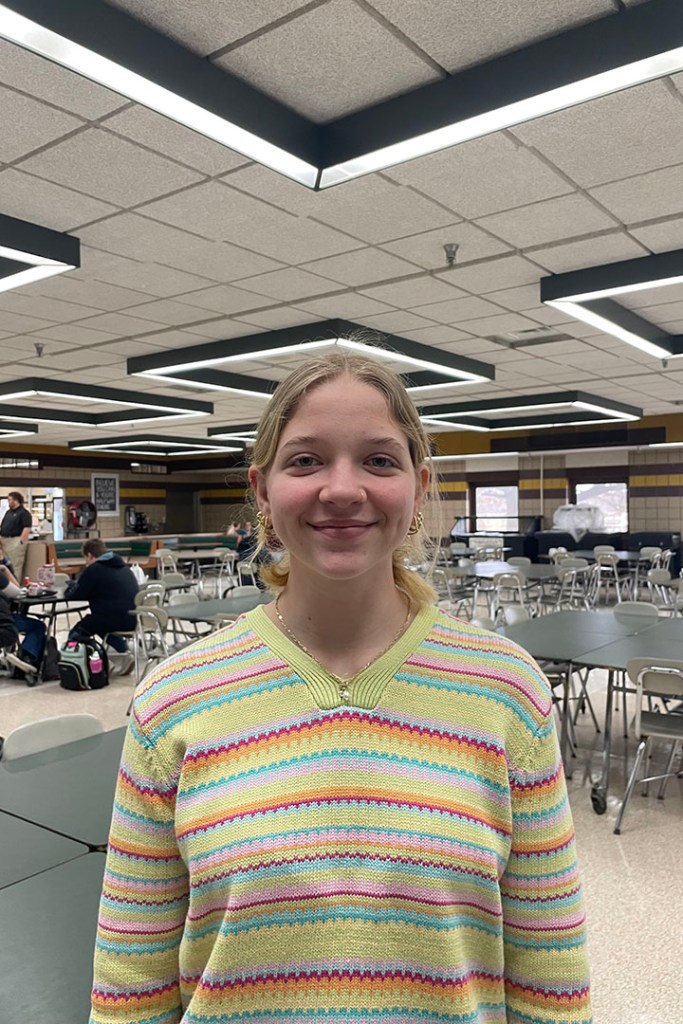
“He has a past of being a good businessman, but I don’t believe he’s going to do well as a politician this time around,” senior Ksena Spencer said. “I can’t say I necessarily agree with his ideas.” 
 

Ksena Spencer

Photo by: Adison Poole


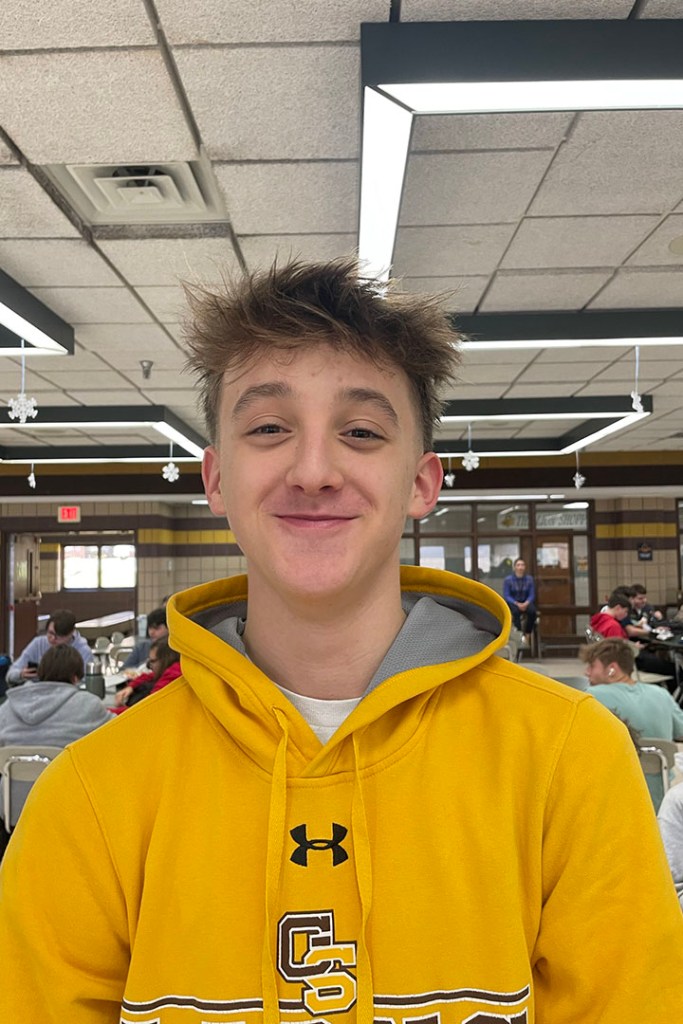
“Based on what I’ve seen so far it seems he appears to be on somewhat of a power trip,” senior James Hugus said. “I’m hoping that streak doesn’t continue and harm his presidency. If prices drop in the next few years, I’ll be happy with it, though” 

 James Hugus

Photo by: Adison Poole


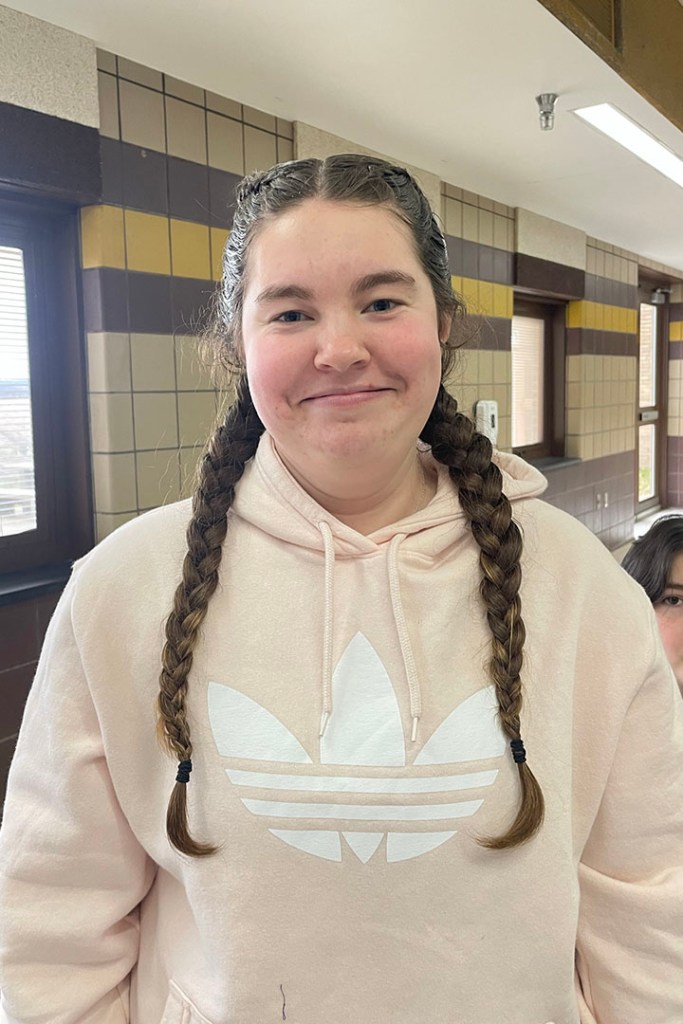
“I think he’s going to do terrible and bring down the country, considering the fact there are a bunch of economists out there saying his plans are absolutely terrible,” senior Gracie Susick said. “I also feel that he’s getting into too much with deporting people, and he is creating more and more issues with other countries”  

Gracie Susick

Photo by: Adison Poole


“I think he’s going to be a good president because from what I see he is attempting to make things equal so that no one feels privileged,” junior Noah Dudek said. “He seems like he wants to make things equal for everyone instead of lifting certain people up over others.”  

Noah Dudek

Photo by: Adison Poole


“I don’t even feel like he should’ve have been able to run again in the first place,” freshman Nico Hardaway said. “I mean he was convicted of a felony, and I think that’s plenty reason enough why he shouldn’t be allowed in office.” 
 

Nico Hardaway

Photo by: Adison Poole


“I think Donald Trump is doing a good thing by encouraging people to come to the country legally,” sophomore Casey Shwartz said. “He didn’t say they couldn’t come, he just wanted people to do it the right way.” 

Casey Swartz

Photo by: Adison Poole


“I believe Kamala Harris and Donald Trump would’ve been equal no matter who ended up in office,” junior Maxwell Vargovich. “I believe Trump is going to take our country down a bad path.”  

 Maxwell Vargovich

Photo by: Adison Poole


“I think he has the right ideas to be a good president but maybe not the right choice at the moment with everything else going on in the world,” junior Kasey Baxter said.  “Due to his most recent actions, I’m not so sure about him, but I guess time will tell.”

Kasey Baxter

Photo by: Adison Poole


“I think he’s a great guy and I’m glad we elected Trump instead of Kamala Harris,” sophomore Samuel Vassar said. “I agree with a lot of his ideas, and I think he’s going to lower prices.”
 

Bear Frye and Samuel Vassar

Photo by: Adison Poole


“I think Donald Trump is going to be a good president because of his personality and the way that he thinks about everyone,” senior Bear Frye said.  “He has talked about his support for African Americans multiple times and how he wants to help them. He also explained that he doesn’t want to stop the immigrants from coming in but encourage them to come over legally. I know he will rebuild the wall for things to be great again.” 

“I think he’s taking us backwards on lot of things that past presidents have put in place,” senior Alexxus Reynolds said. “He keeps attempting to change things, such as issues from the 1900s. Things I feel most people have forgot about or moved on from he goes back to just to undo. I just don’t understand how we can make America great again if America was never great to begin with.” 

Alexxus Reynolds

Photo by: Adison Poole


Election Day 

By: Emma Helmick 

Election day is right around the corner. 

The 2024 election will take place Nov. 5 all around the country. The polls people will attend are based upon their address.  

“Young or old, if you’re a citizen, your voice needs to be heard,” Law and Economics teacher Mrs. Beth Simone said. “That’s the point of democracy; that we all have a voice.”  

The presidential nominees are Vice President Kamala Harris and former President Donald Trump. Harris will be running alongside Minnesota Governor Tim Walz and Trump is joined by Senator JD Vance. 


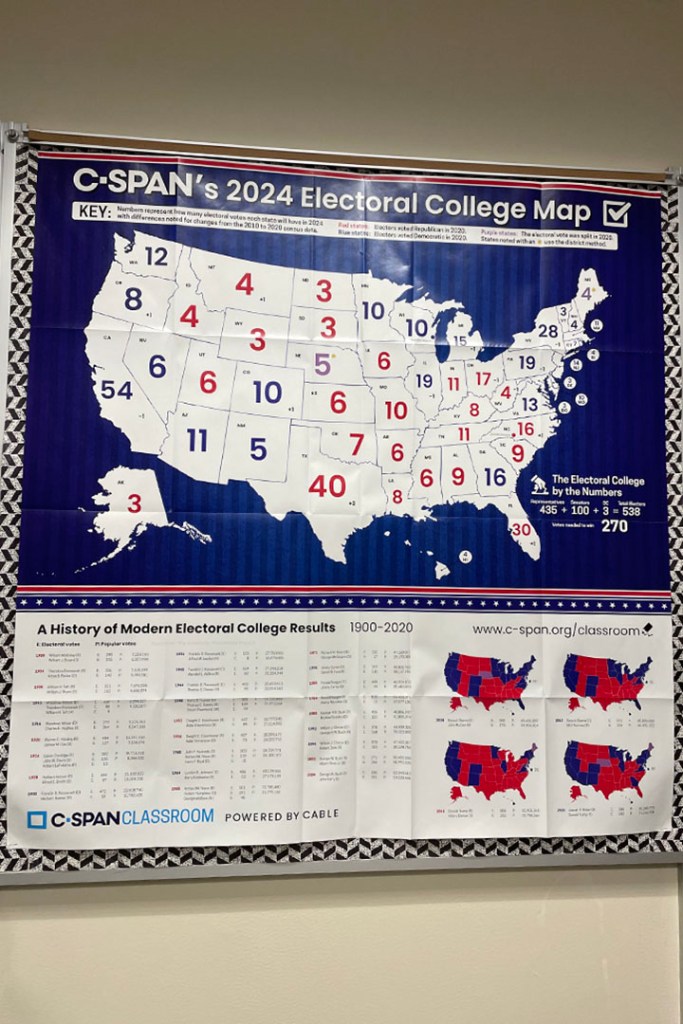
A poster of an electoral map with results from 2020 that hangs in Mrs. Simone’s room.

Photo By: Emma Helmick


The Pennsylvania senator race is between Republican nominee Dave McCormick and Democratic incumbent Bob Casey. 

“We’re not all going to be happy with the end result, but, if we don’t go out and vote and if we don’t exercise that power, we lose that power,” Mrs. Simone said. “It becomes more likely for someone to just be able to take power if we’re not making sure to use ours.” 

The deadline to register to vote both in person and by in-mail ballot was Oct. 21. 

“I have registered to vote this year, I looked into the candidates, and I’ve seen what their policies are and how they plan to address issues, so I do plan to vote this election,” senior Hannah Stillwagon said. 

Young people who are not currently eligible to vote but will be by the election can still register now. 

“News sources aren’t really influencing me because they are usually biased, most of the news and commercial ads are,” senior Brenna Kohl said. “I’m trying to make my decision based on what they say in their own speeches and debates.” 

For the past few months, news channels and commercials have taken over, as well as political texts, calls, emails and social media posts. 

It is easy to get lost in information by relying on that type of media. So it is important to keep up with the candidate’s websites and steer clear from staying loyal to just one news channel. 

“Know what key issues matter to you and then see how the candidates match up,” Simone said. “I’ve literally never found a candidate that believes everything I’ve ever wanted. I look to see what really matters to me and then who matches up best with that.”