Stress Management
By Samarah Guy
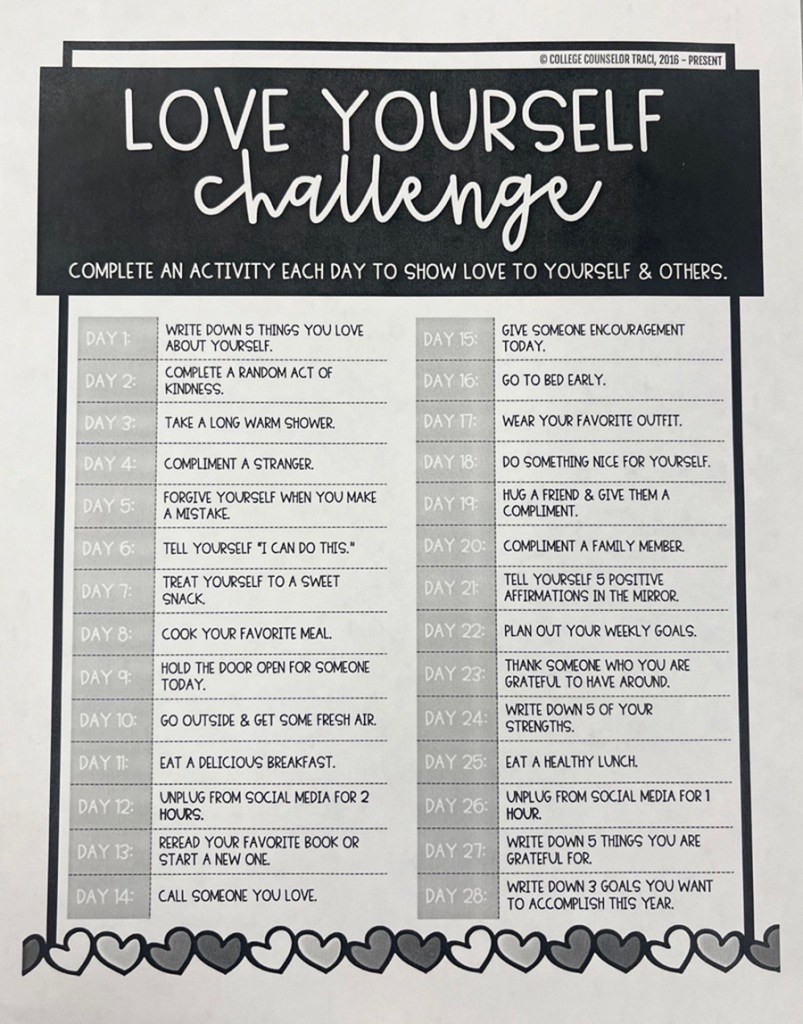
Resources are available in the Guidance Office to help alleviate stressful situations and to promote healthy solutions to issues students may be having.
Stress happens when the mind goes through a state of worry or tension.
Things like big changes, too many responsibilities, lack of control, trying to reach expectations, hate or abuse can be some of the leading causes of stress.
“There’s going to be stressors, things that stress us out in life, but being able to deal with them in healthy ways is important,” Guidance Counselor Mr. John Manley said.
Deep breathing, counting back from a number or simply just finding something that can ease the mind are great ways of releasing stress.
“I try to remove myself from the stressful environment that I’m in,” Manley added.
When people are stressed, they tend to fidget around or become emotional as well. This is because stress can be too much emotion for one’s body to handle and needs to be released in some manner.
“When I’m stressed, I tend to get angry or frustrated,” sophomore Cora Gray said.
Trying to understand what is causing the stress is the first step to take. From there one can start talking about it and find ways to help ease the stress.
“I like to find three things to focus on because then I’m not thinking about what is stressing me,” Gray added.
Stress can also cause stiffness to parts of the body, so exercising or stretching when stressed can be an effective way to deal with it as well.
“Make sure that you have time to balance some sort of healthy distraction, so that you’re not constantly in a stressful situation,” health teacher Mr. Patrick Hutchinson said.
Stress happens to everyone, and preventing it isn’t necessarily possible. Staying organized, having a healthy diet, getting enough sleep, exercising and taking care of one’s mental and physical health are great ways to help minimize how much stress a person has.
Stress may also lead many teens to addiction because they don’t understand how to cope properly. To prevent stress-caused addiction, find the triggers and find a solution when triggered.
“Try to find yourself a distraction to help yourself, not drugs, not alcohol, not compulsively eating but something healthy like exercise, music or whatever it may be,” Mr. Hutchinson added.
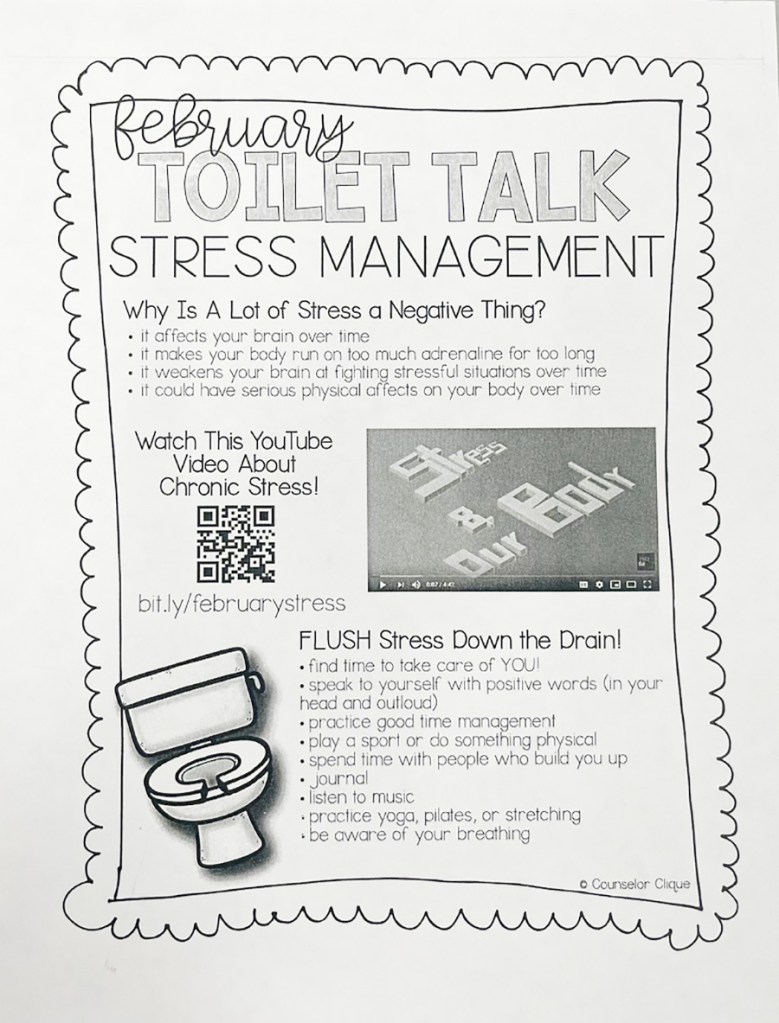
Positive self-talk about stress management is a healthy form of coping with day-to-day stressors.
 The Lions' Den